STYLE ADVICE • 9-MINUTE READ
I Quit Watching the News at 65.
A Year Later, My Mind Had a Completely New Address.
Here Are the 9 Changes That Stuck.
I didn’t do it to be noble. I did it because I was tired of falling asleep angry. Twelve months later, my sleep, my wardrobe, my friendships, and my bank account all look different — and I wasn’t expecting half of this.
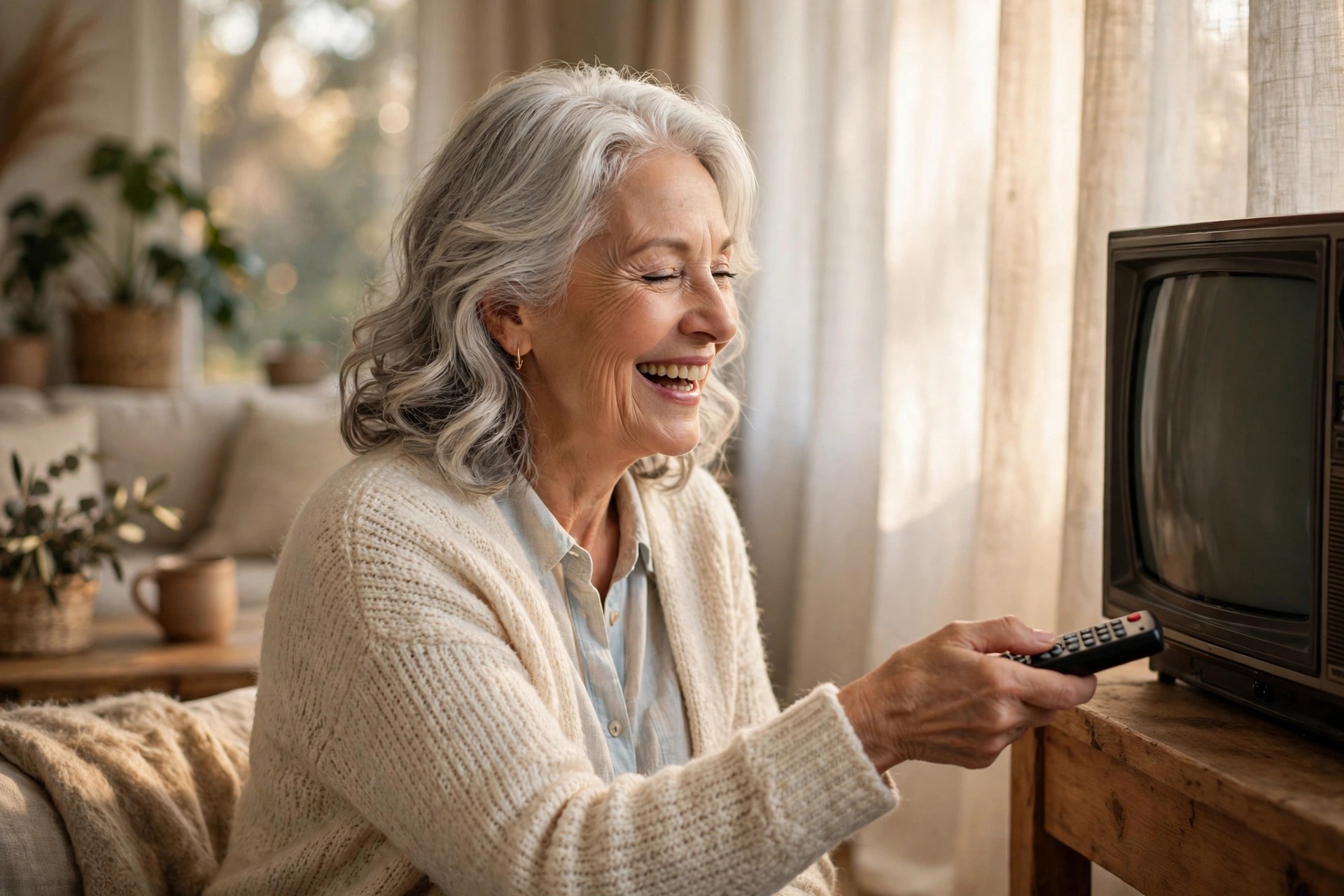
That was me on day one: the remote, the ritual, and the bravest click I made all year.
Let’s start with an admission. At 64, I had the news on the way other people have a kettle on. Morning bulletins while the coffee brewed. Midday headlines with lunch. The evening broadcast like a bookend. I wasn’t watching because I wanted information — I was watching because the silence felt suspicious.
Then one Tuesday, after a particularly grim broadcast about three separate crises I could do precisely nothing about, I turned the TV off mid-sentence and said out loud, to nobody: “This is not working for me anymore.” The cat blinked. I nodded back. We had an agreement.
I gave it one year. No morning news, no evening news, no doomscrolling the headlines on my phone at 2 a.m. I kept one weekly magazine for the things that genuinely matter. That’s it.
What happened next surprised everyone — most of all me. Here are the nine changes that stuck, in the order I noticed them.
| Before | After one year |
|---|---|
| Sleep: 4–5 restless hours, phone glowing at midnight | Sleep: 7–8 deep hours, phone charging in the kitchen |
| Mornings: coffee + headlines = dread by 8 a.m. | Mornings: coffee + birdsong = dressed and out the door |
| Conversations: arguments about things neither of us controlled | Conversations: laughter, books, plans |
| Attention span: 30 seconds before reaching for the phone | Attention span: finished four novels this year |
| Shopping: panic-buying “essentials” I never wore | Shopping: deliberate, joyful, half the volume |
1. I Started Sleeping Like a Teenager — Only Better Dressed for Bed
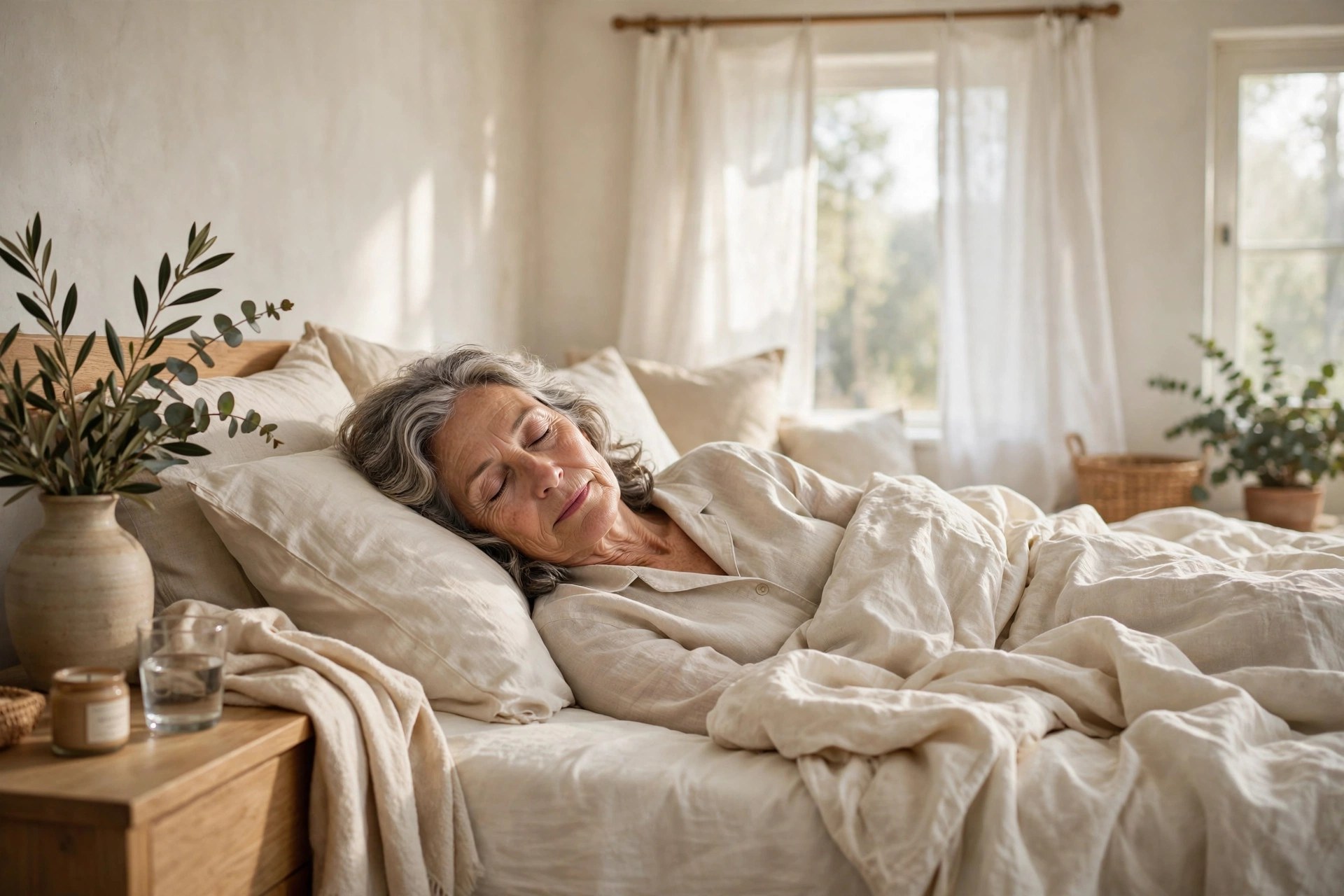
Here’s the change I noticed first, within two weeks. My brain had been doing what I’d call the midnight briefing: the moment my head hit the pillow, it ran the day’s highlight reel of catastrophes. Car crash in another state. A scandal in another country. My nervous system couldn’t tell the difference between “happening to me” and “happening on a screen.”
Once the evening broadcast went, the briefing went with it. I started falling asleep the way you fall off a low step — quickly, without drama. A reader wrote to me after I mentioned this in a letter: “I thought I needed the news to feel informed. Turns out I needed sleep to feel human.” Couldn’t have said it better myself.
The payoff: rest isn’t a luxury purchase. It’s the foundation under everything — including how good you look in the morning. No cream fixes a 2 a.m. doomscroll face.
2. Mornings Stopped Belonging to Strangers
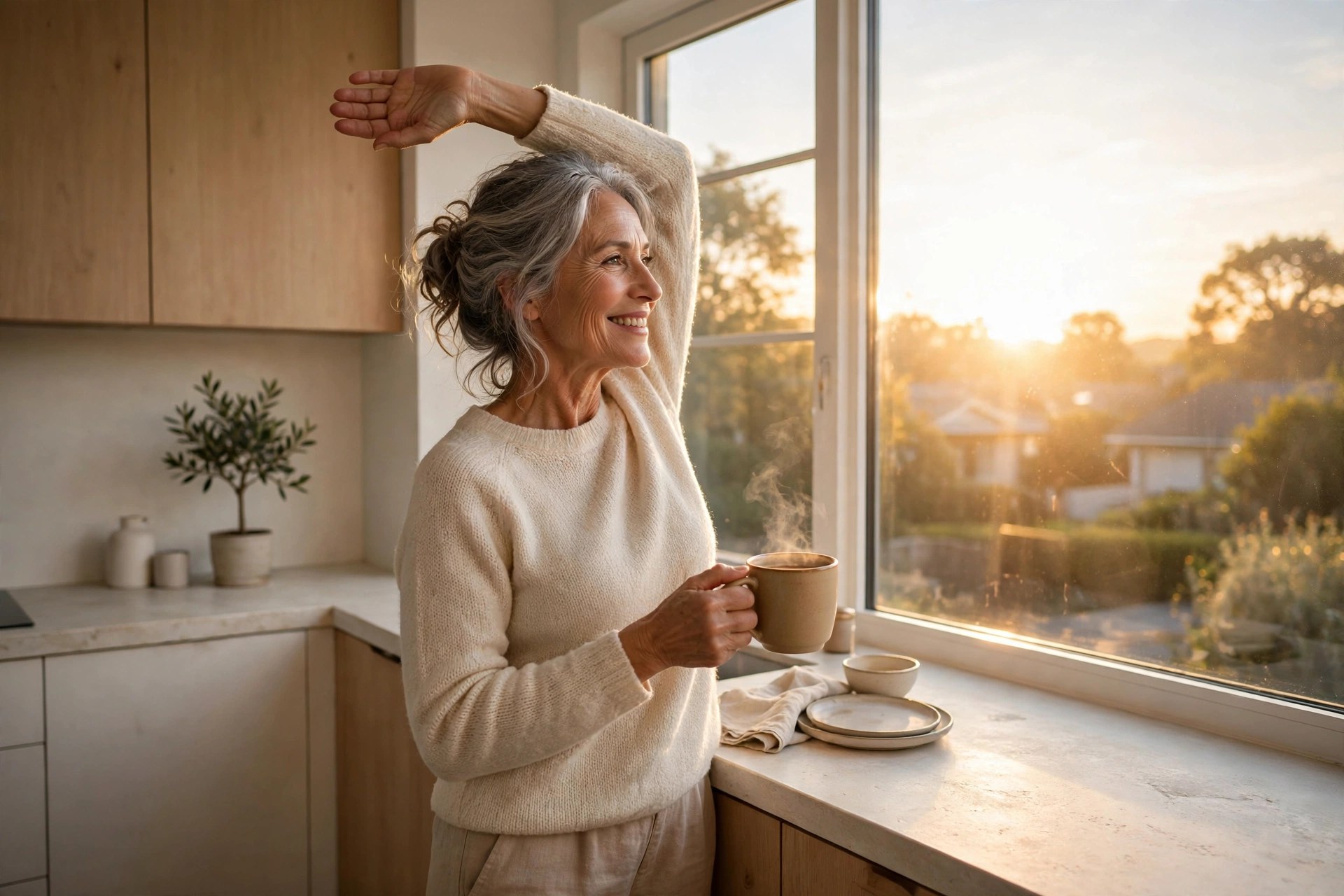
For twenty years, my first hour of the day belonged to anchors and analysts — people I’d never met, deciding how I should feel before I’d even brushed my teeth. That was the arrangement, and I never questioned it. Darling, question it.
The first news-free morning felt almost indecent, like skipping church. By the second week, I had replaced the bulletin with the window: the actual weather, the actual birds, the kettle making its honest little sound. My shoulders dropped an inch. My jaw unclenched.
The payoff: the first hour of your day is prime real estate. Stop letting people who’ve never met you live there rent-free.
3. My Friendships Got Funny Again
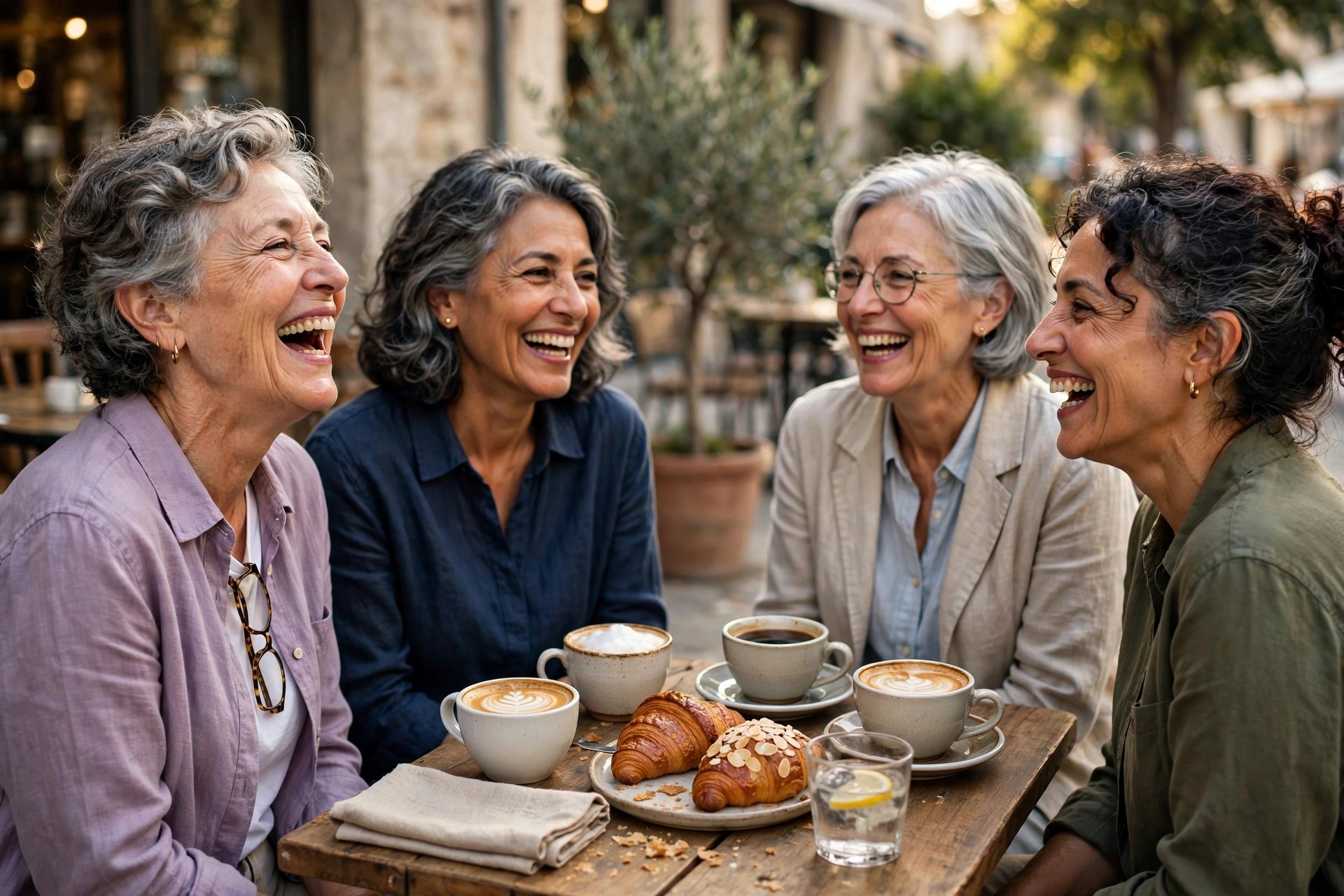
This one snuck up on me at lunch with my friend Ruth. We realized, halfway through our third coffee, that we hadn’t once said “did you hear about…” — and we’d talked for two hours straight. We’d discussed her granddaughter’s braces, a book we’d both loved, and whether the café’s almond cake had changed (it had).
When every conversation starts from the day’s outrage, friendships become group therapy with no therapist. Take away the outrage, and something older and better returns: gossip, laughter, curiosity about each other’s actual lives.
The payoff: nobody remembers the night you both quoted the same segment. Everyone remembers the night you laughed until the waiter judged you.
4. My Attention Span Walked Back In and Apologized
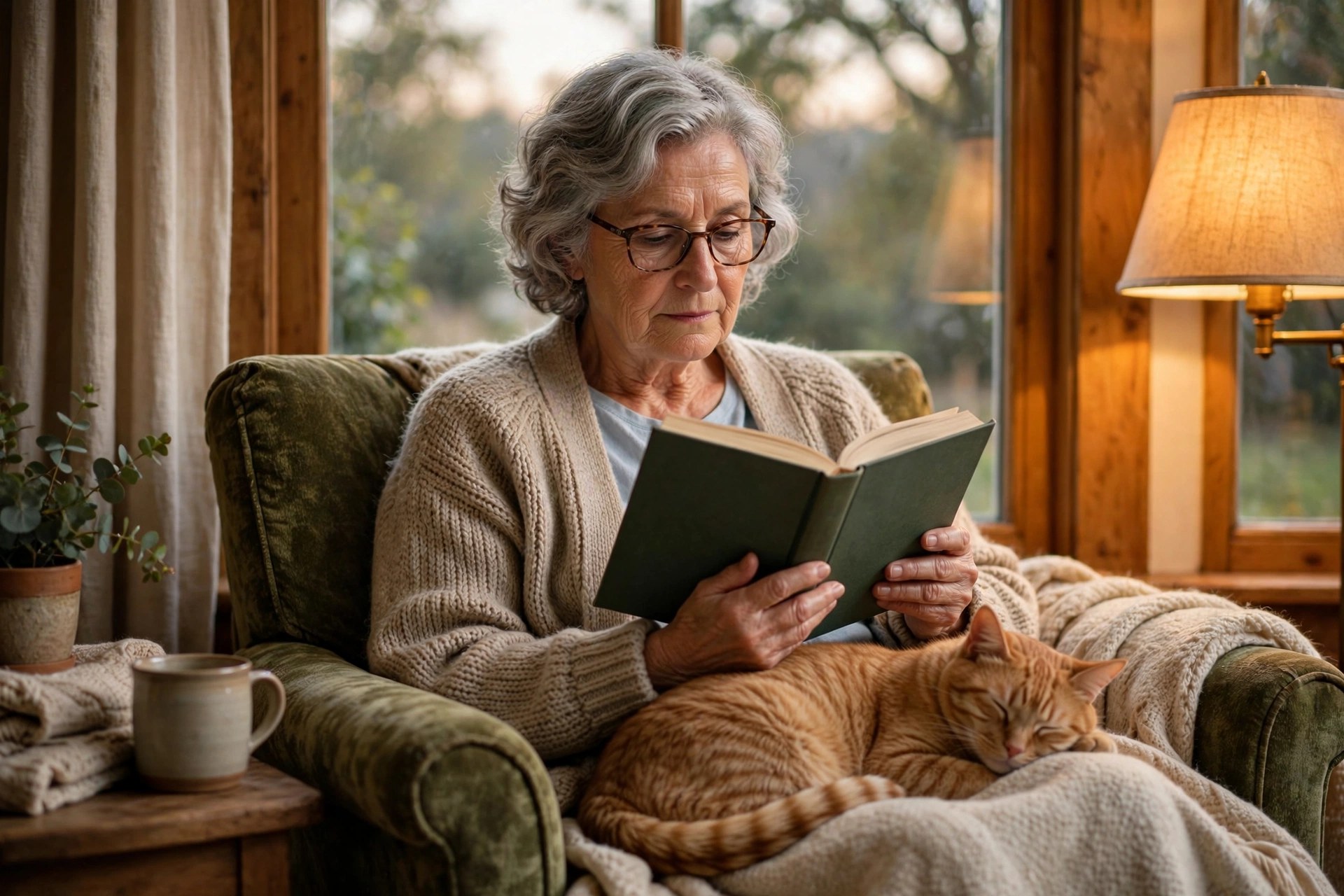
News is edited to keep you watching, which means it’s edited to keep you not doing anything else — not thinking deeply, not finishing a paragraph, not sitting still with one idea. I hadn’t finished a novel in four years. I told myself I was busy. I wasn’t busy. I was fragmented.
Month three, I picked up a novel and read forty pages in one sitting — the first time since my fifties. By year’s end: four novels, a memoir, and a gardening book I read for pure pleasure. My mind remembered how to chew.
The payoff: concentration is a muscle, and the news is a treadmill set to panic. Get off the treadmill and the muscle comes back fast.
5. I Started Noticing Things — Including Myself
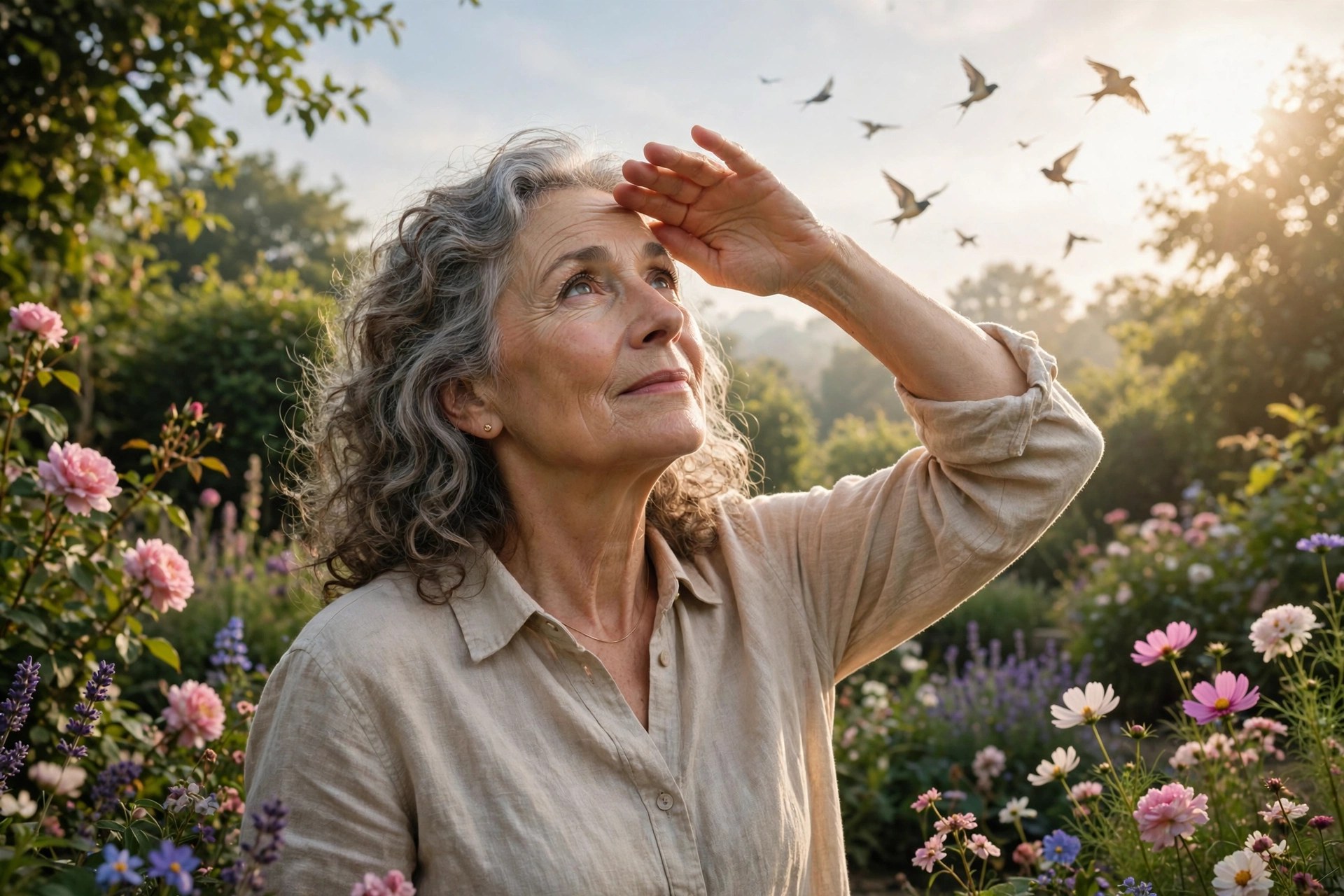
This sounds small until it happens to you. One April morning I noticed the garden for the first time in years — really noticed it, the way you do when there’s nothing else screaming for your eyes. The light on the hydrangeas. A bird doing aerial acrobatics like it was showing off for me personally.
And here’s the fashion part, because there’s always a fashion part: I started noticing myself again too. I dressed with more care, not because anyone was watching, but because my own attention had become a more pleasant place to be. When your mind calms down, your mirror gets kinder.
The payoff: noticing is a pleasure the news actively trains out of you. Take your eyes back. Use them on your own beautiful life first.
6. My Wallet Calmed Down Too

I’ll confess something ugly: fear sells clothes. Every scary season, I’d panic-buy — a black dress “just in case,” three sweaters in case of shortages, boots for a winter of doom. Most of it still had tags on.
Without the daily dread, my shopping changed character. I bought less and chose better. A camel blazer I’d been admiring for a year (a year!). Good leather shoes. Fewer impulse hauls, more pieces I actually wear. My wardrobe got smaller and — this is the miracle — better.
The payoff: an anxious closet is full of clothes that belong to someone else’s fear. A calm closet is full of clothes that belong to you.
7. I Became Someone My Family Liked Being Around
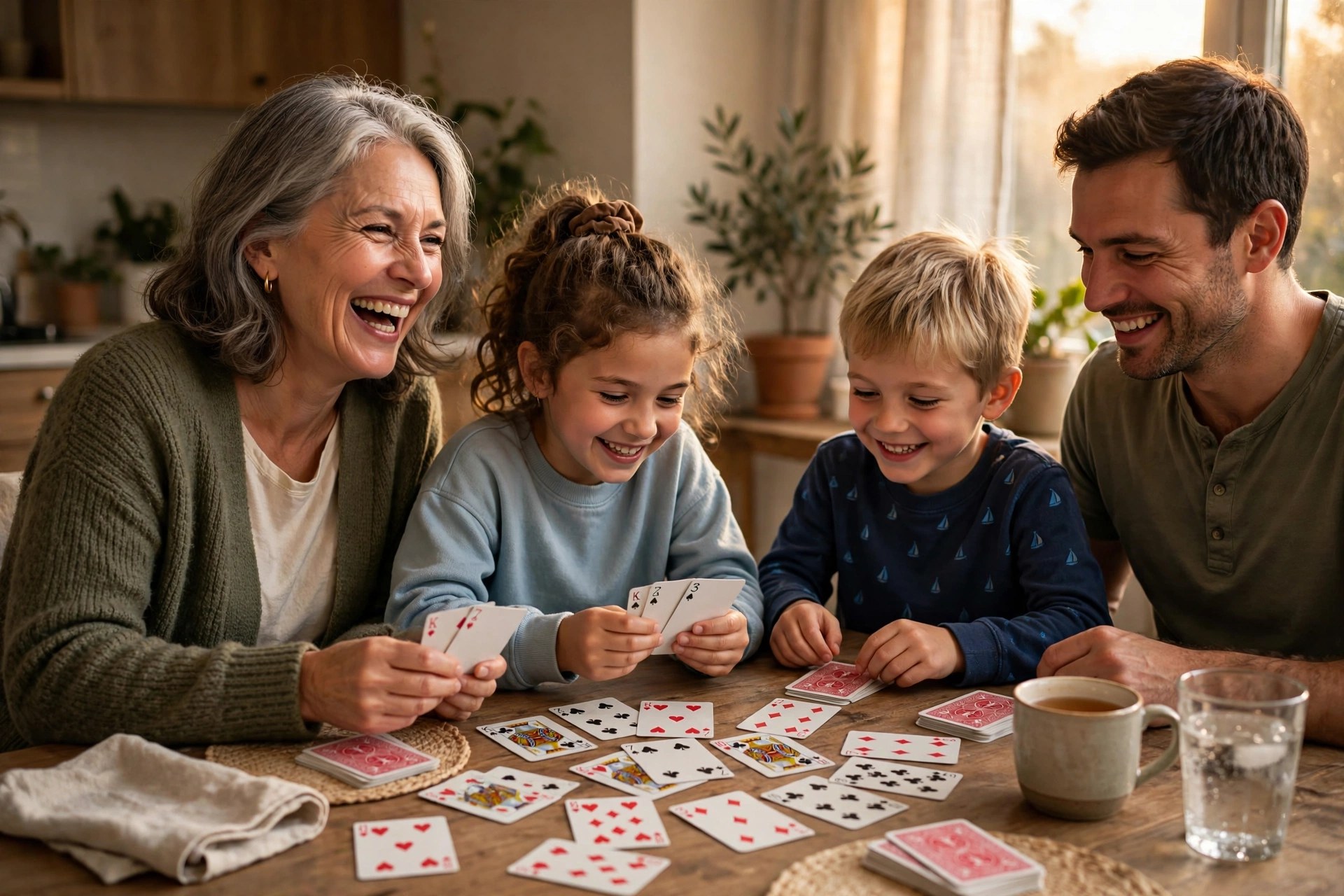
My daughter said it before I saw it myself. “Mom, you’re… easier to talk to lately.” Translation: I had become one of those women who greets every family update with a related headline of doom. Grandson gets a job — “Did you hear about the layoffs at…” Nobody misses that woman. Least of all her.
When the news stopped being my emotional weather, I stopped raining on other people’s sunshine. Patience, it turns out, is not a virtue you earn. It’s what remains when the noise leaves.
The payoff: the people who love you notice the change before you do. Ask them. Their answer will keep you going.
8. I Got Curious Instead of Certain
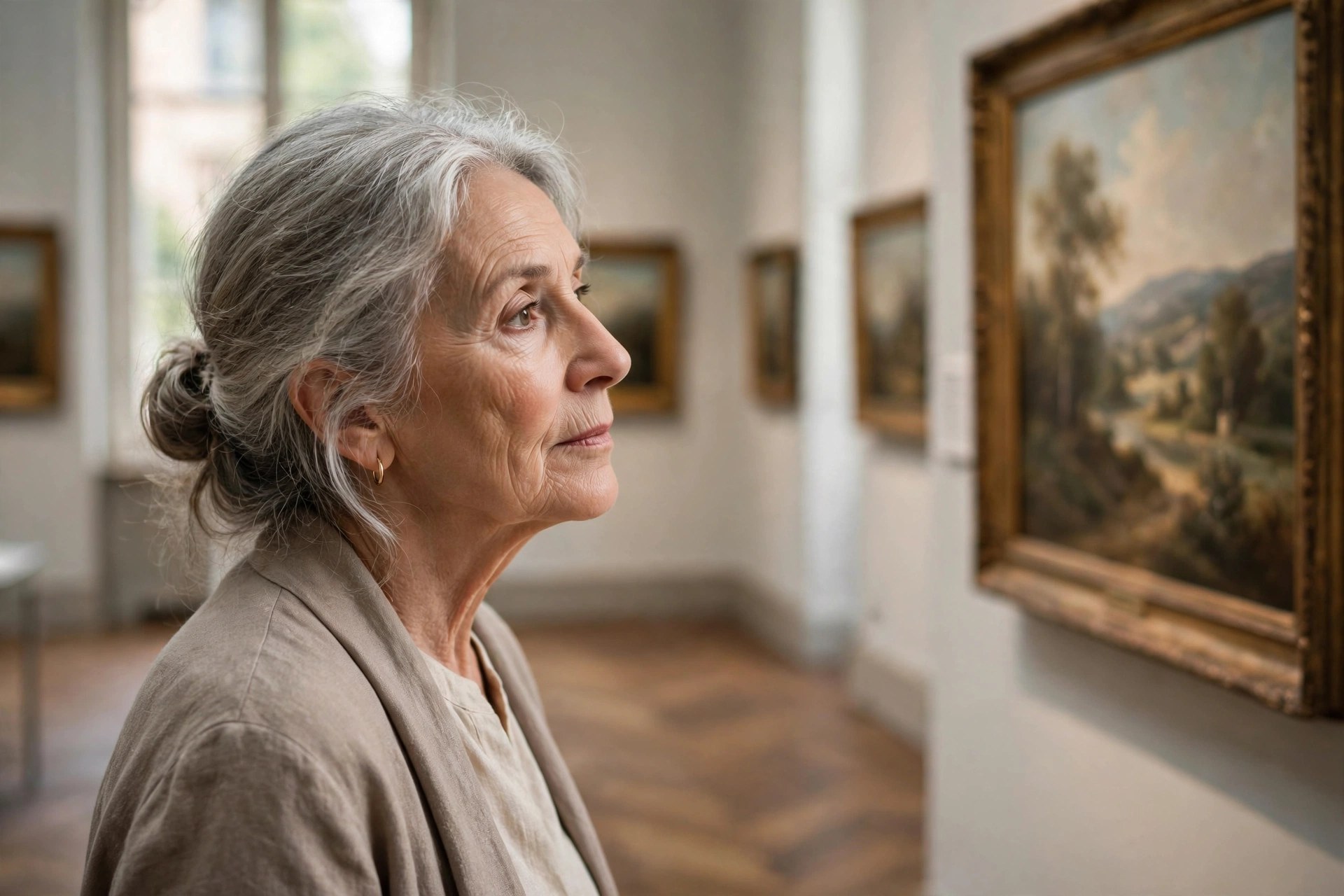
The news doesn’t just inform — it editorializes in real time, and it does it fast enough that you mistake its opinions for your own. A year without that drumbeat, and I started forming slower, stranger, more interesting opinions. I visited a museum exhibit I’d have scrolled past before. I asked a young neighbor what she actually thought about things instead of telling her what to think.
Certainty is cheap and everywhere. Curiosity, at our age, is practically rebellion. I choose rebellion.
The payoff: the most interesting women over 60 I know share one trait: they’d rather learn something new than be right about something old.
9. My Style Got Braver (This Is My Favorite One)
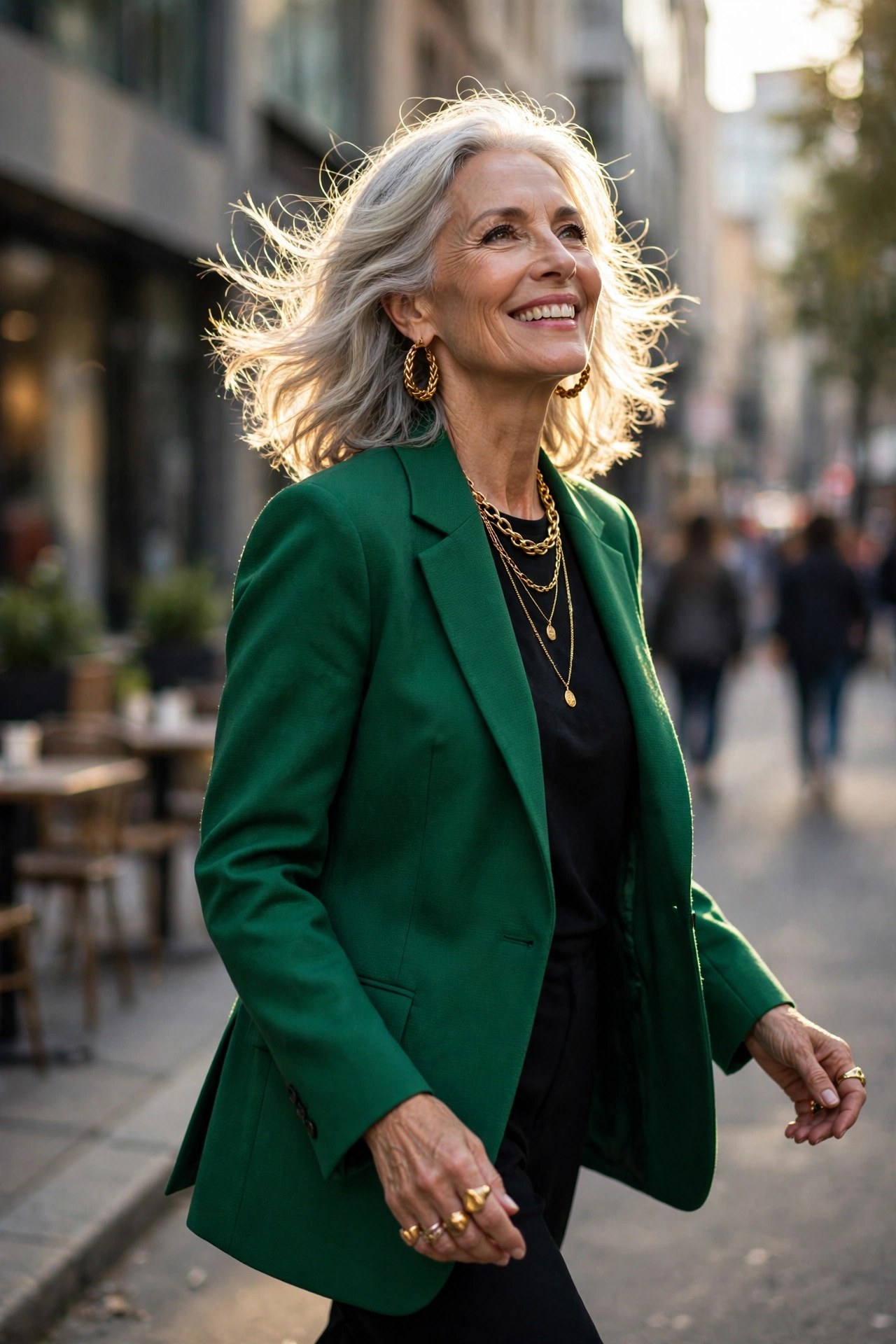
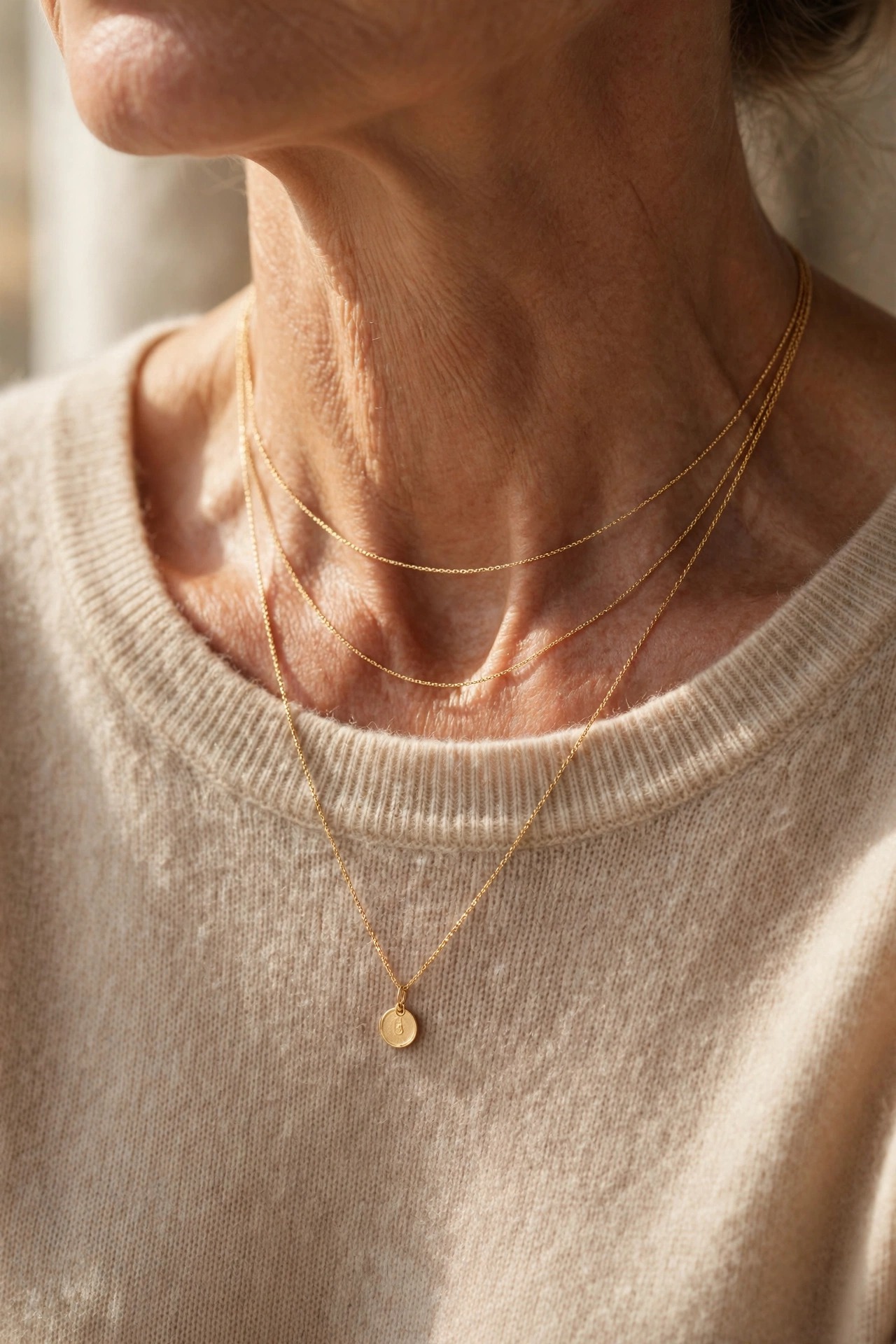
Save the best for last, because this is the one nobody predicted. A calmer mind dresses braver. I bought the emerald blazer. I wore the gold hoops with everything. I stopped dressing for invisibility — which, let’s be honest, is what constant anxiety dresses you for: blend in, don’t stand out, the world is dangerous.
The world is also beautiful, and I’m done dressing for the first part. At 66, I dress for the life I’m actually living: lunches with Ruth, galleries, long walks, good lighting. Bold color is not a risk. The risk was ever believing I needed to disappear.
The payoff: confidence isn’t a garment, but it sure changes how every garment fits.
| Do this | Don’t do this |
|---|---|
| Replace the morning bulletin with one ritual you control: a walk, the window, a good playlist | Go cold turkey and leave a vacuum — you’ll fill it with your phone in a week |
| Keep one weekly source for what truly matters to you | Banish all information forever — informed and anxious aren’t the same thing |
| Tell friends what you’re doing — mine became my accountability club | Sneer at people who still watch; they’ll just worry about you |
| Notice what rushes in to fill the quiet — that’s the interesting part | Expect enlightenment by Friday; the good changes arrive in month two and three |
| Spend the new mental energy on something delicious: a book, a color, a plan | Trade one noise for another (news for gossip podcasts is not growth, darling) |
Frequently Asked Questions
Won’t you be uninformed? That’s the first objection everyone raises.
No — I’ll be differently informed. One thoughtful weekly magazine beats ninety anxious bulletins. I know what happened; I just know it without the theme music and the graphics package. My opinions formed more slowly, which turned out to mean they formed better.
What about emergencies — weather, safety, things you genuinely need to know?
Fair question, and the answer is boring: my phone still buzzes for real alerts, and people tell me things. Nobody has ever needed a 24-hour channel to learn their street is flooding. The neighbor with the group chat will always find you first.
Did you really quit cold turkey?
Mostly yes on the scheduled broadcasts, gradually on the phone. The trick that worked: I deleted the news apps on a Sunday and moved the TV remote to a drawer for two weeks. After that, reaching for it felt like reaching for a landline — vaguely historical.
What filled the time? Weren’t you bored?
Boredom lasted about four days and was the best part. Boredom is where reading, walking, calling friends, and finally hanging those curtains came from. We medicate boredom like it’s a disease; it’s actually a doorway.
Would you recommend this for everyone?
I’d recommend a trial, not a vow. Thirty days, one experiment, no drama. Watch what changes. If nothing does, you’ve lost nothing and learned something. But I’d bet my best silk scarf that something changes.
Here’s the real secret, and I saved it for the end because you earned it: quitting the news didn’t make my life smaller. It made it bigger — bigger sleep, bigger conversations, bigger curiosity, and, yes, a bigger and braver wardrobe. I thought I’d be retreating from the world. Instead I finally showed up to it. The remote is still in the drawer. I haven’t missed it once.